
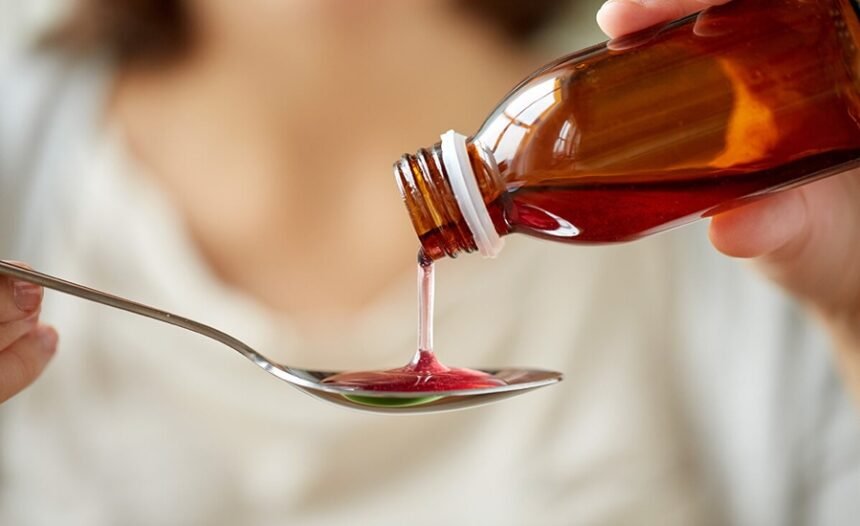
The Ministry of Health and Family Welfare has amended the Drugs Rules, 1945 to bring stricter regulatory oversight to medicinal formulations with high alcohol content. As part of this move, the existing exemption under Schedule K, which had let certain ethyl alcohol-based formulations skip licensing requirements, has now been withdrawn.
Why the Exemption Existed?
Under Schedule K of the Drugs Rules, 1945, a set of medicinal products, tinctures of cardamom, ginger, and similar aromatic preparations, were exempt from needing a license. The problem is that some of these formulations carry very high concentrations of ethyl alcohol, in some cases as much as 80 to 90% v/v. That made them an easy target for misuse as a means of intoxication rather than actual treatment. The government also says it received specific references from some State Governments flagging this issue.
New Threshold
To fix this, the government has decided that any formulation containing more than 12% v/v ethyl alcohol, in quantities above 30 mL, will no longer fall under the Schedule K exemption. These products will now need to obtain proper licenses under the Drugs and Cosmetics Act, 1940, just like other regulated pharmaceutical products.
The amendment doesn’t stop at licensing. These formulations are also being moved into Schedule H1 of the Drugs Rules, 1945. That means they can only be sold against a prescription from a Registered Medical Practitioner, and sellers will need to maintain stricter records of each sale.
What This Is Meant to Achieve
The government expects this change to tighten oversight of alcohol-containing medicinal products and make sure they move only through the regulated pharmaceutical supply chain. The goal is to cut down significantly on diversion and misuse, while still keeping these products available for people who need them for genuine treatment. This falls in line with the government’s broader push to strengthen the regulatory framework around drugs, encourage more rational and responsible use of medicines, and protect public health.
Key Takeaway: The amendment to the Drugs Rules, 1945 strengthens regulatory oversight of medicinal formulations containing high concentrations of ethyl alcohol by withdrawing the Schedule K licensing exemption for products containing more than 12% v/v ethyl alcohol in quantities exceeding 30 mL.
Such formulations will now require licensing under the Drugs and Cosmetics Act, 1940 and will be classified under Schedule H1, making them available only on the prescription of a Registered Medical Practitioner with mandatory record-keeping for their sale. The move is intended to curb the misuse and diversion of high-alcohol medicinal products for intoxication while ensuring their continued availability for legitimate therapeutic purposes through a regulated pharmaceutical supply chain.
M.C.Q.
Question 1: Under the recent amendment to the Drugs Rules, 1945, the Schedule K licensing exemption has been withdrawn for medicinal formulations containing:
- A. More than 5% v/v ethyl alcohol in quantities above 50 mL
- B. More than 10% v/v ethyl alcohol in quantities above 20 mL
- C. More than 12% v/v ethyl alcohol in quantities above 30 mL
- D. More than 15% v/v ethyl alcohol in quantities above 100 mL
Question 2: Following the recent amendment, medicinal formulations containing high concentrations of ethyl alcohol will now be classified under which Schedule of the Drugs Rules, 1945, requiring sale only on the prescription of a Registered Medical Practitioner?
- A. Schedule G
- B. Schedule H
- C. Schedule H1
- D. Schedule X
Read More: India-Australia Roadmap: A Strong Sports Cooperation Plan