

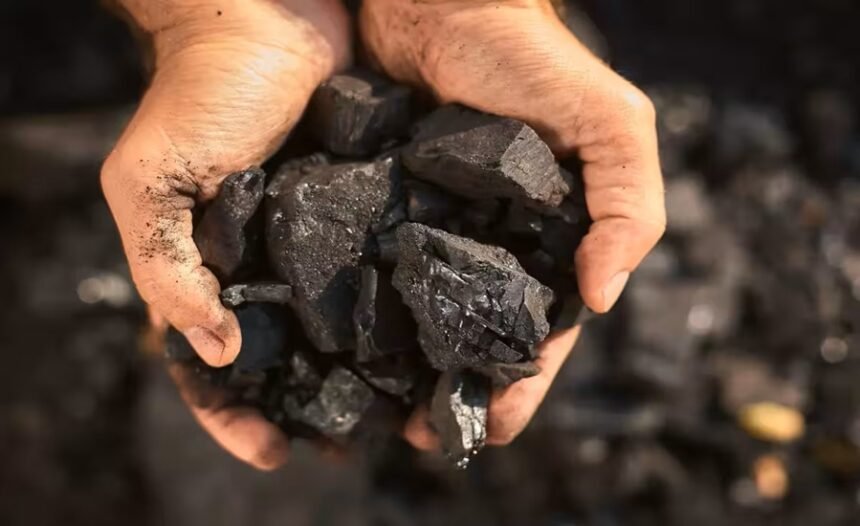
The Ministry of Coal notified the Coal Exchange Rules, 2026 on June 4, 2026, under Section 18B of the Mines and Minerals (Development and Regulation) Act, 1957. Together, these rules set up a comprehensive regulatory framework meant to make trading in coal, lignite, and their processed forms both transparent and efficient.
Who Regulates the Exchange and What Counts as One
The Coal Controller Organisation (CCO) has been designated as the Authority responsible for registering and regulating Coal Exchanges, following the eligibility criteria, registration process, fees, net worth requirements, ownership structure, and governance norms laid out in the Rules. The Authority also has the power to specify operating procedures and issue guidelines, doing so in consultation with the Central Government.
A Coal Exchange itself is defined simply as an online platform where buyers and sellers of coal and its processed forms can transact, trade, and enter into contracts.
How the Authority Exercises Control
The Authority’s job covers the full lifecycle of an exchange: evaluating applications, granting and renewing registrations, revoking them where necessary, and approving exit schemes right at the time of registration. Its administrative control extends further still, covering approval of bidding and price discovery mechanisms, contract specifications around scheduling and delivery, the quality standards for delivered coal, permitted bid types, ceilings on transaction fees, and the bye-laws and operating procedures each exchange follows.
Keeping the Market Honest
Market oversight is a core part of the Authority’s mandate, specifically to catch and prevent market manipulation, cartelization, insider trading, and any abuse of a dominant market position. To back this up, the Authority has been given the power to intervene, issue interim orders, and carry out inspections whenever there’s a violation or non-compliance with the Rules.
What a Coal Exchange Is Meant to Achieve
Every Coal Exchange is expected to be set up and run with a clear set of objectives: formulating coal supply contracts, facilitating transactions tied to those contracts, and ensuring fair, transparent, neutral, and efficient price discovery along with its dissemination, all while securing timely and efficient coal supply in line with contract terms. To make this work, each Exchange will run an electronic trading system supported by network communication infrastructure.
Financial Safeguards and Surveillance
Each Coal Exchange will also operate a Settlement Guarantee Fund (SGF), managed by an independent committee, with at least half of it parked in safe, liquid instruments such as fixed deposits with scheduled public sector banks, treasury bills, and government securities.
On the monitoring side, every Exchange will have both a market surveillance committee and a dedicated surveillance department, tasked with the day-to-day job of monitoring transactions. This includes keeping an automated audit trail of bids, running security audits on IT systems, and maintaining a disaster recovery site along with an alternate trading facility, so operations can continue uninterrupted even during an emergency.
Grievance Redressal and the Road to Rollout
Each Coal Exchange will also maintain a grievance redressal forum, and the Authority retains the right to seek information from an Exchange regarding how any specific grievance has been handled.
As for timing, regulated coal exchanges are expected to become fully operational within 12 months from the date an application for registration is received. The dedicated online application platform for this purpose opened on July 15, 2026.
Who Can Participate and How Prices Are Set
Participation is broad by design: any entity, including captive and commercial miners, along with consumers of all sizes (small and medium consumers in the non-regulated sector included), can transact, trade, and enter into delivery-based contracts through the Coal Exchange(s). Price discovery for coal traded on the Exchange will happen through a mechanism built to keep prices fair, neutral, competitive, and efficient, with the bidding and price discovery process itself following procedures the Authority approves.
The final price of any traded coal gets adjusted based on its quality, following the price-adjustment mechanism written into the relevant contract and the quality certification issued by the coal sampling agency. The market oversight and surveillance mechanisms built into the Coal Exchange Rules, 2026 are designed specifically to guard against manipulation or abuse, bringing greater transparency to the Coal Exchange ecosystem as a whole. Public sector coal companies, along with small and medium consumers in the non-regulated sector, stand to benefit from this platform too, gaining a new avenue to participate more actively in the market.
Key Takeaway: The Coal Exchange Rules, 2026 establish a comprehensive regulatory framework for creating transparent, competitive, and technology-driven online coal markets in India under the supervision of the Coal Controller Organisation (CCO). By providing a structured mechanism for registration, governance, market surveillance, price discovery, settlement, and grievance redressal, the Rules seek to improve efficiency and fairness in the trading of coal, lignite, and their processed forms while preventing market manipulation and ensuring quality-based pricing.
With broad participation from coal producers and consumers, including commercial and captive miners as well as small and medium enterprises, the new framework is expected to strengthen market transparency, enhance ease of doing business, and support a more efficient and accountable coal distribution ecosystem.
M.C.Q.
Question 1: The Coal Exchange Rules, 2026 have been notified under which of the following Acts?
- A. Coal Mines (Nationalisation) Act, 1973
- B. Mines and Minerals (Development and Regulation) Act, 1957
- C. Coal Bearing Areas (Acquisition and Development) Act, 1957
- D. Energy Conservation Act, 2001
Question 2: Under the Coal Exchange Rules, 2026, the Coal Controller Organisation (CCO) has been designated to:
- A. Operate all coal mines in India.
- B. Fix coal prices for all consumers.
- C. Register and regulate Coal Exchanges while overseeing market transparency and compliance.
- D. Allocate coal blocks through auctions.
Read More: India’s Radioactive Waste Rules: A Proven, Safe System