
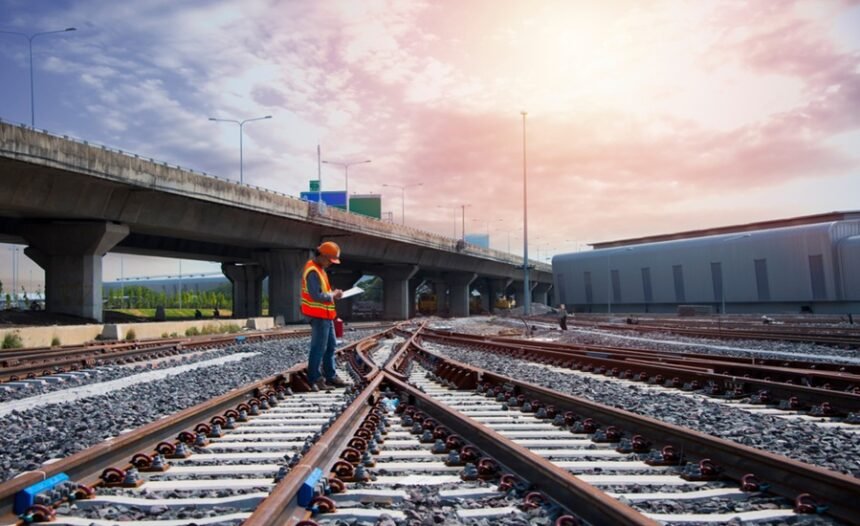
The Cabinet Committee on Economic Affairs, headed by Prime Minister Narendra Modi, has cleared two railway projects worth around ₹3,907 crore. Between them, the projects span a total of four districts across Odisha and Jharkhand and will add roughly 145 km to the existing Indian Railways network. Work is expected to completely wrap up by 2030-31.
The two projects are:
- Paradeep to Haridaspur (doubling)
- Rajkharsawan to Dangoaposi (fourth line)
Why the extra track capacity matters
More lines running in parallel means trains stop bunching up behind each other, which should translate into smoother operations and more dependable service on Indian Railways. Government messaging frames these multitracking projects as a way to cut congestion and keep things running efficiently. Officials have also tied the projects to the Prime Minister’s broader vision for a self-reliant, or “Atmanirbhar,” New India, arguing that development of this kind opens up more jobs and self-employment opportunities for people living in the region.
Both projects fall under the PM Gati Shakti National Master Plan, which is built around joining up different modes of transport and improving logistics through coordinated planning and input from stakeholders. The goal is straightforward: let people, goods and services move without unnecessary friction.
The reach: districts, villages, and tourist sites
Together, the two projects touch four districts spread across Odisha and Jharkhand and stretch the rail network by about 145 km. That expansion isn’t just about distance. It’s expected to improve connectivity for close to 1,526 villages, home to a combined population of around 14 lakh people.
The upgrade will also make it easier to reach several well-known tourist spots, among them the Lalitgiri Buddhist Complex, the Shree Baladevjew Temple, and the Meghahatuburu Hills.
What actually moves on these lines
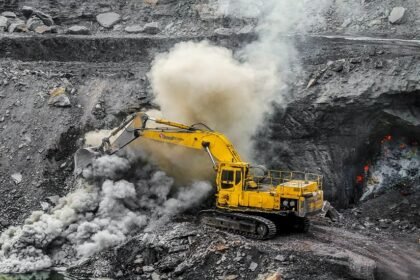
These aren’t passenger-only corridors. They’re key freight routes, carrying coal, iron ore, dolomite, limestone, gypsum and similar bulk commodities. Once the capacity upgrades are done, the lines are expected to handle an additional 44 million tonnes of freight per year (MTPA).
The climate and cost angle
Rail is already a relatively clean and fuel-efficient way to move goods compared with road transport, and the government is leaning on that to make its case here. Shifting more freight onto these upgraded lines is expected to help meet climate targets, bring down the country’s overall logistics costs, cut oil imports by about 6 crore litres, and lower CO2 emissions by roughly 29 crore kg. For context, that emissions cut is being compared to the effect of planting 1 crore trees.
Key Takeaway: The approval of the Paradeep–Haridaspur doubling project and the Rajkharsawan–Dangoaposi fourth-line project under the PM Gati Shakti National Master Plan is expected to strengthen rail infrastructure in Odisha and Jharkhand by increasing network capacity, easing congestion and improving the efficiency of passenger and freight movement.
The projects will enhance connectivity for villages and key tourist destinations, support the transportation of critical mineral commodities, reduce logistics costs and oil consumption, and contribute to lower carbon emissions. Together, these capacity expansion projects reinforce India’s focus on integrated infrastructure development, sustainable transport and economic growth through a modernised railway network.
M.C.Q.
Question 1: The recently approved Paradeep–Haridaspur Doubling Project and Rajkharsawan–Dangoaposi Fourth Line Project are being implemented under which Government of India initiative?
- A. Bharatmala Pariyojana
- B. National Infrastructure Pipeline
- C. PM Gati Shakti National Master Plan
- D. Sagarmala Programme
Question 2: The Cabinet Committee on Economic Affairs (CCEA), which approved the two railway multitracking projects, is chaired by:
- A. Union Minister for Railways
- B. Union Minister for Finance
- C. Prime Minister of India
- D. Cabinet Secretary
Read More: Biogas and Energy Security: India’s Unusual Fuel Gap