
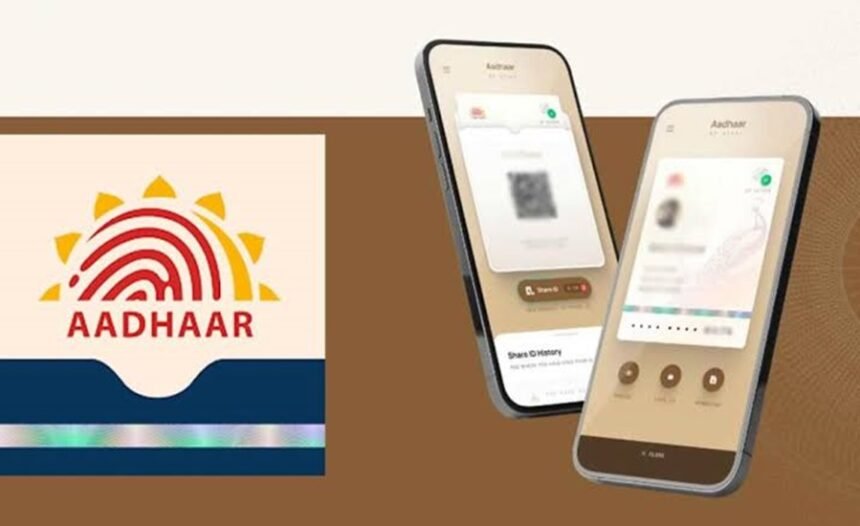
The Aadhaar App has crossed 3.1 crore downloads in just five months, a sign that more and more people across India are turning to digital identity services instead of standing in line at a government office. That kind of uptake in such a short window says something about how ready people were for this shift.
The app was built to make Aadhaar-related tasks easier to handle and cut down on trips to enrolment centres and service offices. Users can now manage most of their needs straight from their phones, which matters most for anyone who’s ever had to take a day off work just to fix a small detail on their Aadhaar record.
Millions use the app for mobile and address updates
Profile updates have turned out to be one of the biggest reasons people are downloading the app. So far, close to 40 lakh users have updated their mobile numbers through it, and around 8.5 lakh residents have used it to update their address. These aren’t small numbers, and they suggest people are genuinely comfortable trusting the app with changes that used to require a visit and a queue. The convenience seems to be doing a lot of the work here: once someone realizes they can fix an outdated phone number in a few taps, going back to the old way stops making sense.
A privacy-first approach to digital identity
The app gives Aadhaar holders a secure way to share and verify their identity without pulling out physical documents. Users can verify themselves digitally while keeping more control over what information actually gets shared, through several built-in authentication tools. Instead of handing over a full copy of your Aadhaar card, which reveals more than most situations actually call for, the app lets people share only what’s needed for a given transaction.
Key features
The app packs in a number of features meant to make identity management simpler:
- One-click biometric lock and unlock
- Face authentication for proof of presence
- Access to authentication history
- e-Aadhaar downloads
- Appointment booking for Aadhaar Seva Kendras
- QR-code contact cards that can replace a traditional visiting card
Each of these addresses a specific pain point that residents have dealt with for years, from not knowing whether their biometrics were ever accessed to carrying around printed documents for something as routine as scheduling an appointment.
Everyday uses beyond identity checks
People are finding new uses for the app well outside standard identity verification. Hotels are using QR-code offline verification for check-ins. Hospitals use it to verify patients on admission. It also shows up in visitor management, event entry, and checks on gig workers and service partners. Through Offline Verification Seeking Entities (OVSEs), institutions can confirm someone’s identity without asking for a physical Aadhaar copy, which cuts down on both paperwork and the risk of documents being copied or mishandled.
Key Takeaway: The app’s growth fits into India’s wider effort to build out its Digital Public Infrastructure and bring government services onto mobile-first platforms. By pairing digital verification with privacy safeguards and paperless delivery, the goal is to make Aadhaar services easier to reach for residents across the country, whether they’re in a metro city or a small town far from the nearest Aadhaar Seva Kendra.
MCQ:
1. The Aadhaar App primarily aims to:
A. Replace the Aadhaar card with a passport
B. Enable residents to access Aadhaar services digitally and securely
C. Facilitate online income tax filing
D. Issue new PAN cards
2. Which of the following features is available in the Aadhaar App?
A. Biometric lock/unlock
B. Face authentication
C. e-Aadhaar download
D. All of the above
Read more: Onion Procurement Price Increased 13% to ₹2,125 per Quintal